Deep Dive
来自我们记者的行业洞察

Sophisticated threat campaign pushes Cisco to the very edge
Security researchers have been tracking attack campaigns targeting Cisco SD-WAN vulnerabilities since early 2026, which have impacted critical government websites and infrastructure providers. Experts note that edge infrastructure is the highest-value target in enterprise security, and Cisco products, due to their widespread deployment in government and enterprise networks, are frequently targeted by attackers.

White House’s state infrastructure cybersecurity initiative stalled
In March, the Trump administration announced the launch of a pilot program to help states fund cybersecurity defense for critical infrastructure. However, three months later, at least 26 states and the District of Columbia have not participated in the program, with some states unaware of it altogether. The White House has disclosed few details about the program, raising questions about its commitments.
MS-ISAC enters uncertain new era after losing federal funding and thousands of members
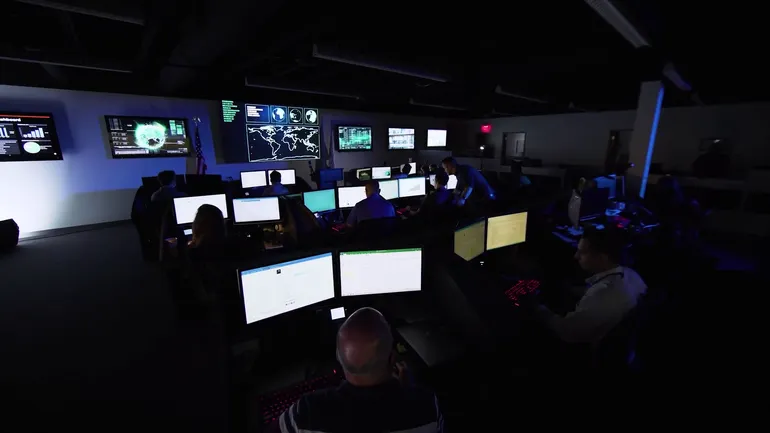
After losing federal funding, MS-ISAC's membership dropped from 18,574 to 5,618, a loss of about 70%. Although the organization has tried to retain members through discounts and subsidies, emphasizing that data quality remains unaffected, experts warn that vulnerabilities in local critical infrastructure may increase, while federal-level support is also shrinking.

Cyber insurance policyholders facing heavier scrutiny in underwriting, claims
The cyber insurance market is undergoing profound changes: insurers, in response to profitability pressures, are strengthening security controls and claims reviews for insured enterprises; the protection gap for small and medium-sized enterprises is enormous; geopolitical conflicts and the development of AI technology further exacerbate the uncertainty of risks.

How a government contest launched a revolution in AI-based bug hunting
Open source AI tools born from DARPA's AI Cyber Challenge are revolutionizing vulnerability discovery at lower cost, but adoption in critical infrastructure still faces barriers.
New cybersecurity industry coalition aims to lead US critical infrastructure protection
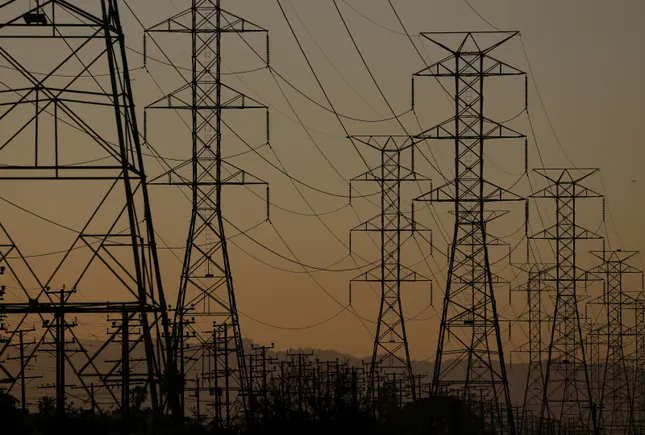
Some U.S. critical infrastructure operators have lost confidence in the federal government's support capabilities. Led by giants such as JPMorgan Chase, Mastercard, and AT&T, the Critical Infrastructure Alliance (ACI) was established in February to promote cross-industry cybersecurity risk collaboration. Alliance Chairman Ben Flatgard stated that the private sector must proactively take on risk management responsibilities. Experts believe this move helps fill the gap left by government coordination, but the lack of federal intelligence support and antitrust exemptions remains a challenge.

Iran-nexus threat groups refine attacks against critical infrastructure
Iran has long been viewed as a persistent cyber threat to the United States, but since the escalation of the conflict between the two countries in February of this year, its tactics have significantly improved. Security research institutions point out that Iranian-backed hacker groups—including state-sponsored actors, pro-Iranian hacktivists, and economically motivated hackers—have evolved in both motivation and capability, with attacks becoming more destructive and demonstrating stronger evasion of detection. Recent cases include malware targeting Israeli water facilities, a wiper attack on medical device manufacturer Stryker, and ongoing intrusion attempts against US critical infrastructure.

‘Missed opportunity’: US government’s absence from RSAC Conference leaves stark void
The 2026 RSAC conference took place from March 23 to 26, but U.S. government officials were absent for the first time. Previously, due to the conference organizers appointing former CISA Director Jen Easterly as CEO, the Trump administration canceled plans for officials from the White House, CISA, FBI, and NSA to attend. Multiple former government officials and industry leaders described the move as a 'missed opportunity' and an 'unforced error,' weakening collaboration between the government and the private sector in cybersecurity and the policy feedback mechanism.

How Microsoft, partners are tackling ‘huge, huge task’ of making security software safer
Microsoft is collaborating with multiple security vendors to advance the Windows Resiliency Initiative, which aims to refactor how third-party security software operates within the Windows kernel to reduce risks similar to the CrowdStrike incident. The project is still in its early stages, involving complex work such as API redesign and feature migration, and is expected to proceed over the long term.